


Getting Things Done - GTD
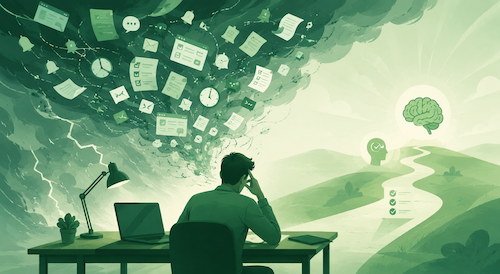
The Perfect Storm: Why Modern Work Overwhelms and How to Deal with It
Brief introduction to the GTD methodology:
Getting Things Done - GTD
Brief introduction to the GTD methodology:
Getting Things Done - GTD
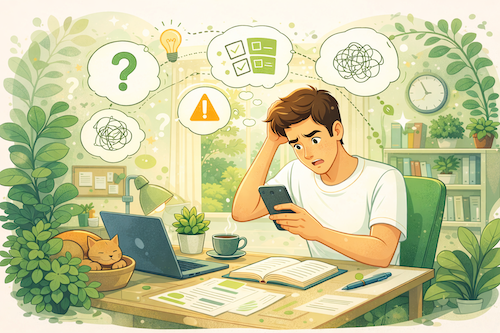
There’s a habit so widespread among people trying to get organized that almost no one questions it: when something comes up (a task, an idea, a pending call), they write it down directly on the list where they think it belongs. On the “calls” list, the “errands” list, or the list for the corresponding project. Or worse, on a single to-do list. Quick, clean, no middlemen.
Getting Things Done - GTD

After exploring doing fewer things, Cal Newport’s first principle of Slow Productivity, today we dive into the next one: working at a natural pace. This principle challenges one of the most deeply rooted beliefs in modern work culture: that more hours and constant intensity equal better results.
Getting Things Done - GTD

We live in an era where constant activity has become the visible symbol of productivity. Responding to emails at 11 p.m., being available on multiple communication channels, attending back-to-back meetings, and keeping dozens of projects going simultaneously is perceived as the mark of a committed and productive professional. However, Cal Newport claims (and I quite agree) in his book Slow Productivity: The Lost Art of Accomplishment Without Burnout that this culture of perpetual busyness is precisely what is destroying our ability to produce truly valuable work.
Getting Things Done - GTD

Implementing the Getting Things Done (GTD) methodology isn’t just about using the right tools—it’s about developing consistent habits that make the system work for you. Here are the ten most important habits that pave the way for better organization, control, and stress-free productivity:
No credit card required for the free trial. Cancel anytime with one click.