


Getting Things Done - GTD
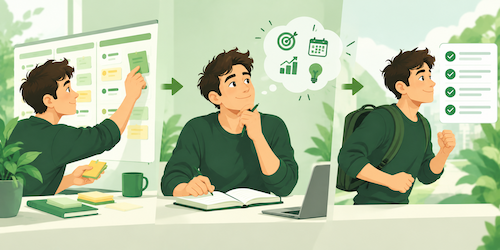
Organize, Reflect, and Engage: The Three Steps That Complete the GTD Workflow
Brief introduction to the GTD methodology:
Getting Things Done - GTD
Brief introduction to the GTD methodology:
Getting Things Done - GTD

After exploring doing fewer things, Cal Newport’s first principle of Slow Productivity, today we dive into the next one: working at a natural pace. This principle challenges one of the most deeply rooted beliefs in modern work culture: that more hours and constant intensity equal better results.
Getting Things Done - GTD

We live in an era where constant activity has become the visible symbol of productivity. Responding to emails at 11 p.m., being available on multiple communication channels, attending back-to-back meetings, and keeping dozens of projects going simultaneously is perceived as the mark of a committed and productive professional. However, Cal Newport claims (and I quite agree) in his book Slow Productivity: The Lost Art of Accomplishment Without Burnout that this culture of perpetual busyness is precisely what is destroying our ability to produce truly valuable work.
Getting Things Done - GTD

We have seen how we can achieve a very high level of control in our life by capturing everything that holds our interest, clarifying what each thing means and deciding what to do with it, and organizing all those reminders so that we can easily access them at the right time.
Getting Things Done - GTD

There are two key elements in self-management: control and perspective. These two concepts interact with each other but are achieved using different approaches.
No credit card required for the free trial. Cancel anytime with one click.